A high-quality ship stabilization system is a necessity for a wide range of vessel types and sizes, serving as an effective method of combating the natural rolling motion of open water. If improperly managed, rolling can adversely impact a vessel’s fuel efficiency, passenger experience, and safety.
Today’s modern roll stabilization systems, especially the advanced models engineered by Quantum, provide increased stability both at anchor and underway. For the vessel owner or operator searching for roll damping technology that’s effective, reliable, and proven design, there are many types of ship stabilizers to consider.
Understanding your options is key in making an informed decision for your vessel. In this piece, we will review the various types of ship stabilization systems available and advance your knowledge about the possible solutions.
Roll stabilization systems can generally be divided into two broad categories:
A passive system does not require a separate power source, nor does it need a unique control system. Examples of passive stabilization systems and their key elements include the bilge keel, passive anti-rolling tanks, passive moving weight systems, and fixed fins. With this report, we will only touch on bilge keels, but passive anti-roll tanks are also very common.
An active system uses power to produce a moving mass or control surface that provides an opposing roll. Examples of active stabilization systems and their key elements include active fins, active anti-rolling tanks, active moving weight systems, and the gyroscope. We will cover those systems most typically used for a cruise ship application.
So, how do the different ship stabilizers work?
Bilge Keels are one of the most widely-used types of cruise ship stabilizers. They consist of a bulb plate, fitted externally, that is welded on a flat bar located at the turn of the bilge and work by forcing the water to move with the ship, creating turbulence and reducing motion. The damping effect is greater as the speed increases and less effective at zero or slow speeds.
In an active anti-rolling tank, pumps or air pressure (above the water’s surface) control water movement to decrease roll. Depending on the vessel, two separate tanks may be used, or tanks may be connected with a lower cross-duct. An axial flow pump forces water within the tank from one side of the vessel to the other. When the timing of the flow is synchronized with the roll of the ship, the roll motion can be reduced. This system utilizes a roll motion sensor and control system to control the flow of the water. A disadvantage would be the lag time required to fill the tank, causing a delay to enable any effective stabilization function.
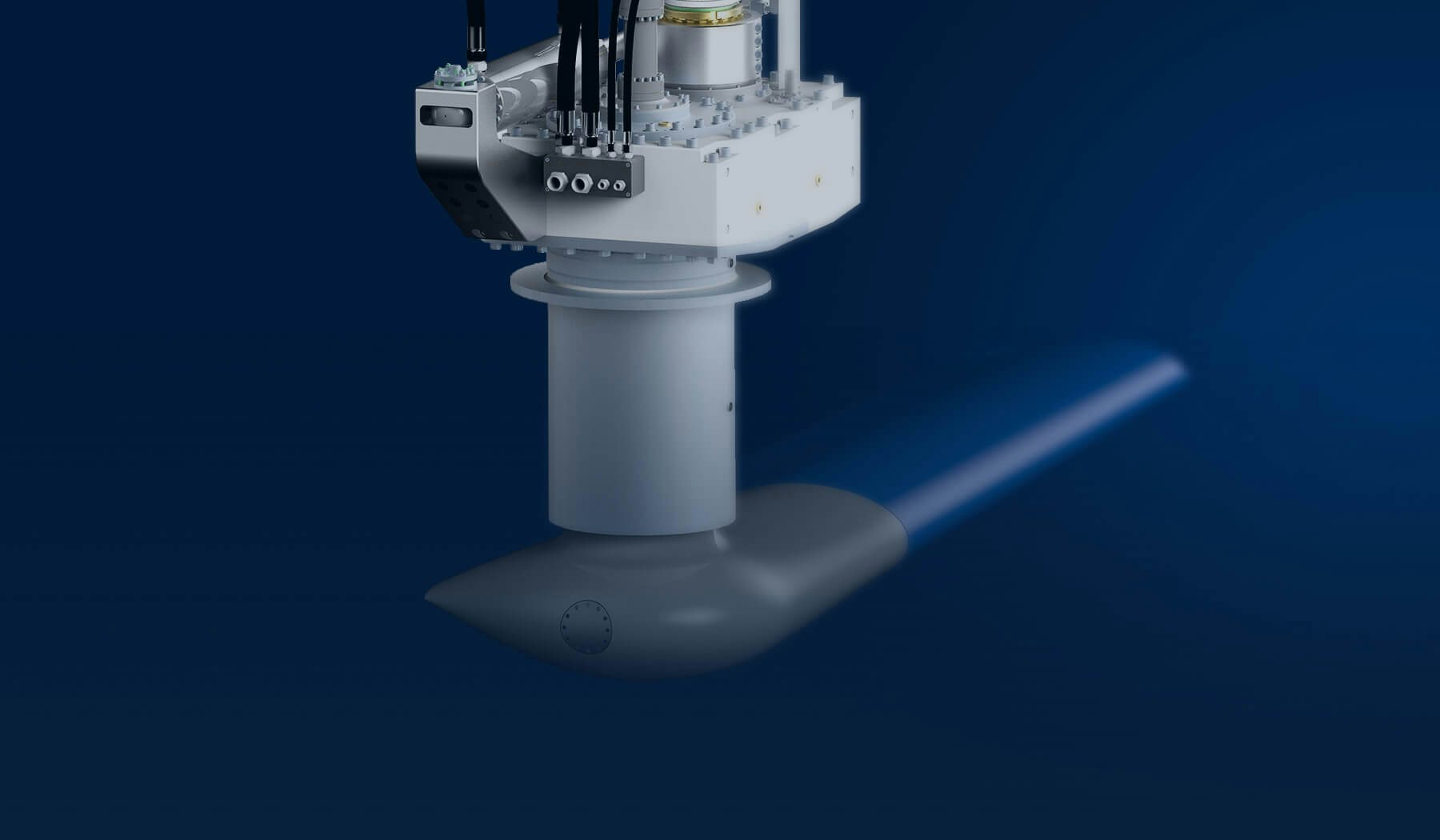
Active fins are able to detect the rolling of a vessel through a roll sensor that will then transmit the roll angle and roll velocity to the main controller for processing. Using the yacht’s roll characteristics and the customized algorithms, the main controller sends the appropriate response to counteract the roll with the optimal fin movement and the necessary hydraulic pressure.
Overall, active fins may deliver up to a 90% roll reduction, ensuring onboard comfort and safety while enhancing the vessel’s resale value.
Though many fin systems are only minimally effective at zero or low speeds, Quantum Zero Speed™ technology has greatly advanced the performance at anchor or slow speeds.
Whether you’re searching for stabilization on a military ship, commercial vessel, yacht, or cruise ship, stabilizers are not created equally. Investing in a well-engineered system that will deliver outstanding performance is a decision that will save you both time and money in the long run. Rather than face the challenge of constant repairs from an inferior system, cruising delays, poor performance, or even worse– equipment replacement, select a product that’s reliable and reputable.
As you explore various types of ship stabilizers, consider the following:
Quantum has three high-performance stabilization systems, giving you a range of options to consider for your vessel:
Quantum Marine Stabilizers have been leaders in the industry since 1985, with engineers that have spent decades refining stabilization technology, constantly striving for perfection. With a commitment to innovation and functional design, Quantum has developed a series of stabilization solutions that address a range of needs and pain points alike.
Because of our unrelenting dedication to quality engineering, Quantum has received extensive industry recognition over the years. They have installed thousands of ship stabilizers and nearly 85% are over 55m. The mission is to exceed the client’s expectations and deliver an unbelievable quality and unprecedented service. The proof— Not a single Quantum system has ever been removed due to poor performance or dissatisfaction.
For more information about how Quantum Marine Stabilizers can equip your vessel with the ultimate in roll stabilization technology, contact our team today.